
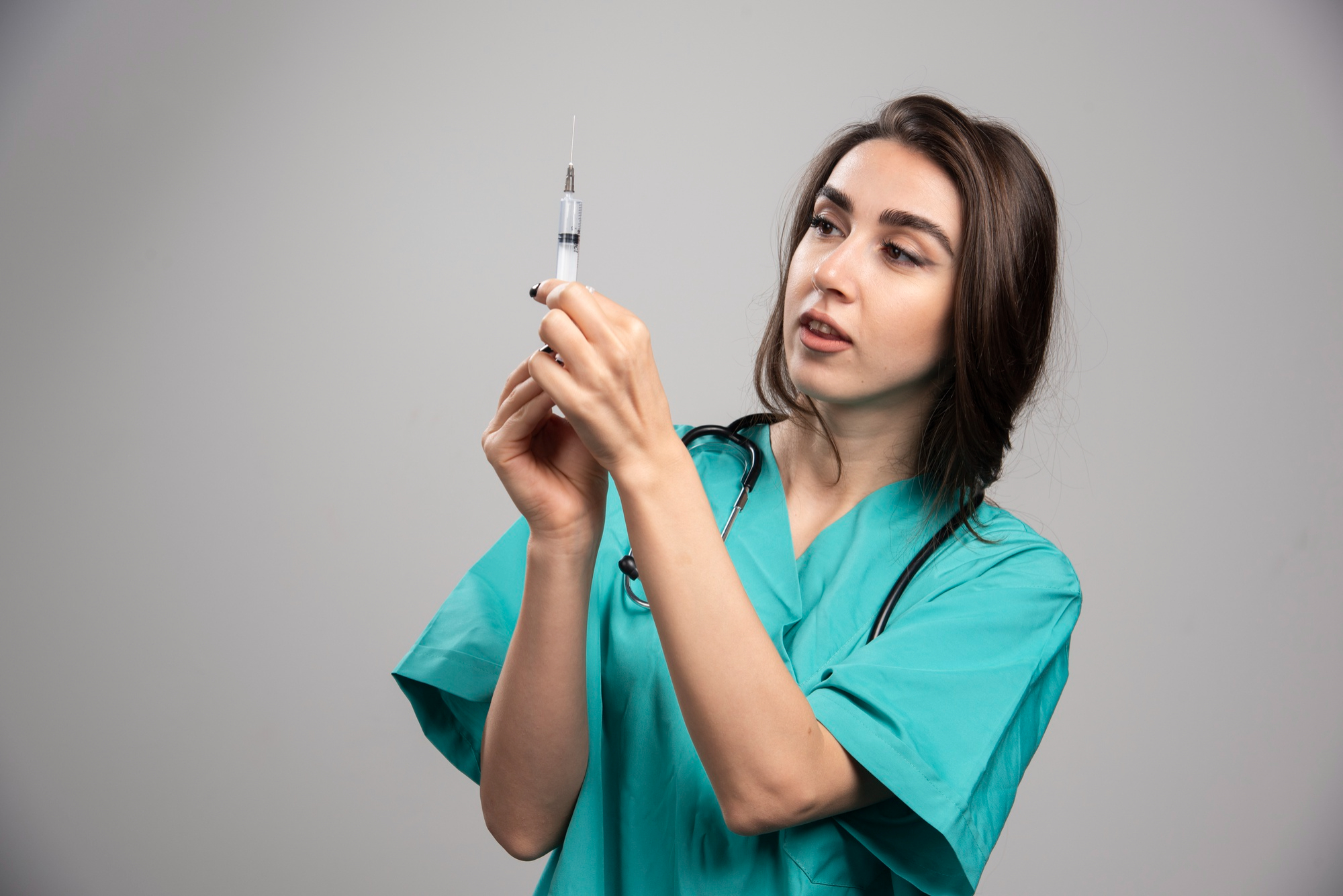
Botulinum toxin (Botox) injections are a well-established, evidence-based treatment for two very different but equally disruptive conditions: chronic migraine and muscle spasms (dystonia or spasticity). While most people associate Botox with cosmetic use, its medical applications — particularly for chronic migraine prevention — are backed by robust clinical evidence and have transformed treatment for patients who haven’t responded to standard medication.
Dr. Kavita Poply provides Botox treatment for chronic migraine and muscle spasm management using precise, protocol-based injection techniques, tailored to each patient’s specific pattern of symptoms.
What is Botox Treatment for Migraine and Muscle Spasms?
For chronic migraine, Botox works by blocking the release of pain-signalling chemicals and reducing the activation of pain pathways involved in migraine attacks. It’s specifically licensed for chronic migraine — defined as headaches on 15 or more days a month, with at least 8 of those being migrainous — and is administered using a standardised injection pattern across specific head, neck, and shoulder muscles.
For muscle spasms, Botox works differently: it temporarily blocks the nerve signals that trigger involuntary or excessive muscle contraction, helping to reduce spasm, stiffness, and associated pain in the affected muscle group.
Conditions Treated
- Chronic migraine (15+ headache days per month, with migrainous features)
- Cervical dystonia (involuntary neck muscle spasms)
- Muscle spasticity following conditions affecting the nervous system
- Focal muscle spasms causing localised pain and restricted movement
- Chronic tension-type headache overlapping with migraine features, in select cases
Symptoms That May Require This Treatment
- Frequent, disabling migraine attacks not adequately controlled by oral preventive medication
- Headaches occurring on 15 or more days per month
- Involuntary muscle contractions or spasms causing pain or abnormal posture
- Muscle stiffness significantly limiting movement or daily function
- Previous poor response or intolerance to standard oral preventive treatments
How the Treatment Works
Botox for chronic migraine is administered using the internationally recognised PREEMPT protocol, involving a series of small injections across 31 to 39 specific points around the forehead, temples, back of the head, neck, and shoulders. For muscle spasm conditions, injection sites are individually selected based on which muscles are involved and the specific pattern of spasm identified during assessment. In both cases, the effect is not immediate — it typically develops gradually over one to two weeks as the treated muscles and nerve endings respond.
Our Approach to Treatment
Comprehensive Assessment
A detailed review of headache frequency and pattern (often using a headache diary) or spasm characteristics, along with previous treatments tried, to confirm suitability for Botox therapy.
Personalised Treatment Plan
Injection sites and doses are tailored to the individual’s specific pattern of migraine or muscle spasm, following recognised clinical protocols.
Procedure Overview
- Quick outpatient procedure, typically completed within 15–30 minutes
- Series of small injections using a fine needle at defined points
- Minimal discomfort, with no need for sedation or anaesthesia
- Effects typically begin within 1–2 weeks and last around 12 weeks for migraine
- Repeated at regular intervals (commonly every 12 weeks for chronic migraine) for sustained benefit
- Patients can resume normal activities immediately after treatment
Benefits of Botox Treatment
- Clinically proven reduction in the number of headache days for chronic migraine
- Reduces severity and frequency of muscle spasms
- Non-surgical, quick outpatient procedure
- Well-tolerated with a well-established safety profile when performed by an experienced practitioner
- Can reduce reliance on daily oral medication
Why Choose Expert Care?
Correct injection technique, dosing, and site selection are essential to achieving the full benefit of Botox treatment for both migraine and muscle spasm conditions — this is a precise, protocol-driven procedure rather than a generic treatment. With a patient-centred approach, Dr. Kavita Poply ensures Botox therapy is delivered accurately and reviewed regularly to track response and adjust future sessions.
Book Your Consultation
If chronic migraine or muscle spasms are affecting your quality of life despite other treatments, Botox therapy may offer meaningful relief. Book your consultation today to find out if you’re a suitable candidate.
Frequently Asked Questions
Q.1 How many sessions of Botox will I need for chronic migraine?
Ans. Most patients require a course of at least two to three treatment cycles, spaced around 12 weeks apart, before the full benefit can be properly assessed, as response often improves with repeated treatment.
Q.2 Is Botox for migraine the same as cosmetic Botox?
Ans. It uses the same medication, but the treatment for chronic migraine follows a specific, clinically validated injection pattern (the PREEMPT protocol) targeting different muscles and doses than cosmetic treatment.
Q.3 Are there side effects from Botox for migraine or muscle spasms?
Ans. Most side effects are mild and temporary, such as neck discomfort or localised muscle weakness near the injection site. Serious side effects are uncommon when the procedure is performed by an experienced specialist.
Q.4 Who is a candidate for Botox migraine treatment?
Ans. It’s generally considered for patients with chronic migraine (15+ headache days a month) who haven’t responded adequately to standard oral preventive medications, following a proper diagnostic assessment.