
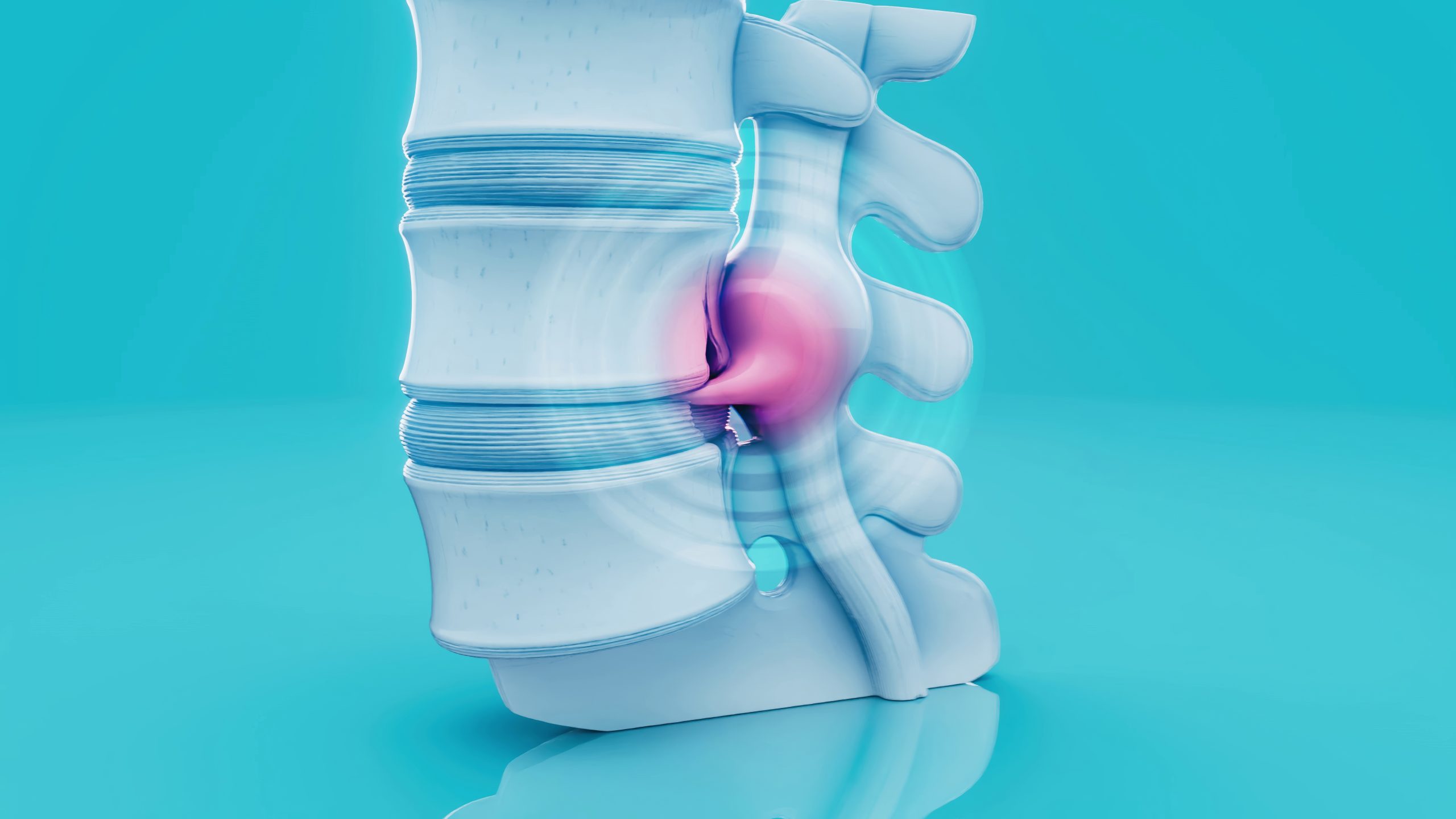
Degenerative disc disease (DDD) is one of the most common underlying causes of chronic back and neck pain, developing as the spinal discs — the soft, cushion-like structures between each vertebra — gradually lose height, hydration, and flexibility over time. Despite its name, DDD isn’t really a “disease” in the traditional sense; it’s a natural wear-and-tear process that becomes painful in some people and remains entirely symptom-free in others.
When degenerative discs do cause pain, the impact on daily life can be significant, ranging from a nagging background ache to episodes of sharp pain that radiate into the arms or legs. Dr. Kavita Poply provides a structured, imaging-guided approach to diagnosing degenerative disc disease and building a treatment plan aimed at long-term pain control and improved function, rather than short-term symptom masking.
What is Degenerative Disc Disease?
Spinal discs act as shock absorbers between the vertebrae, allowing the spine to bend, twist, and absorb load. Over time — accelerated by age, genetics, repetitive strain, or previous injury — these discs lose water content, become thinner, and can develop small tears in their outer layer. As the disc degenerates, the space between vertebrae narrows, nearby joints and ligaments come under extra stress, and surrounding nerves can become irritated or compressed.
DDD most commonly affects the lower back (lumbar spine) and neck (cervical spine), the two most mobile regions of the spine, and can occur at a single level or across multiple levels simultaneously.
Causes and Risk Factors
- Age-related wear, since disc water content and elasticity naturally decline over the decades
- Genetics, with some people predisposed to earlier or faster disc degeneration
- Repetitive strain or heavy manual work, particularly involving lifting, bending, or twisting
- Previous spinal injury or trauma
- Smoking, which reduces blood supply to spinal discs
- Being overweight, which increases mechanical load on the lower spine
Symptoms of Degenerative Disc Disease
- Chronic low back or neck pain that varies in intensity
- Pain that worsens with sitting, bending, lifting, or twisting
- Pain that improves with walking or changing position
- Radiating pain, numbness, or tingling into the arms or legs if a nearby nerve is affected
- Stiffness, particularly first thing in the morning or after periods of inactivity
- Periods of significant flare-up alternating with more manageable periods
How We Diagnose Degenerative Disc Disease
Diagnosis starts with a detailed clinical assessment, including how the pain behaves with different movements and positions, followed by a focused examination of spinal movement, nerve function, and any areas of tenderness. MRI imaging is the most useful tool for confirming disc degeneration and identifying whether a nearby nerve root is being affected, while X-rays can help assess disc height loss and any associated joint changes. This imaging-led approach ensures treatment is targeted at the specific level and type of disc change causing symptoms, rather than treated generically.
Our Approach to Treatment
Comprehensive Diagnosis
A thorough evaluation combining clinical assessment and, where appropriate, MRI imaging to confirm the diagnosis and pinpoint the affected spinal level.
Personalised Treatment Plan
Treatment is tailored to the severity of degeneration, whether any nerve involvement is present, and how significantly symptoms are affecting daily function.
Treatment Options
Pain Management: Targeted injections, such as epidural or facet-related procedures, to reduce inflammation and nerve irritation at the affected level.
Medication: Anti-inflammatory and nerve-pain medication used to manage flare-ups and support participation in physiotherapy.
Physiotherapy: Core-strengthening and spine-stabilising exercise programmes, which are central to long-term management of DDD.
Lifestyle Modifications: Posture correction, ergonomic advice, weight management guidance, and activity pacing strategies.
Advanced Treatment Options: For patients with persistent symptoms despite conservative care, more advanced interventional pain management or neuromodulation-based options may be discussed.
What to Expect During Recovery
Because DDD is a chronic, ongoing process rather than a single injury, treatment is generally focused on long-term management rather than a one-time fix. Most patients notice gradual improvement over several weeks of combined physiotherapy and, where needed, targeted injections, with flare-ups becoming less frequent and less severe over time as core strength and spinal stability improve. Ongoing self-management — regular movement, good posture habits, and staying active — plays a major role in keeping symptoms controlled long-term.
Why Choose Expert Care?
Because back and neck pain can come from several structures in the spine, an accurate, imaging-confirmed diagnosis is essential before committing to a treatment pathway. With a patient-centred approach, Dr. Kavita Poply ensures each patient with degenerative disc disease receives a clear diagnosis and a realistic, structured plan for long-term relief.
Book Your Consultation
If chronic back or neck pain is limiting your daily activities, an accurate diagnosis is the first step toward effective, long-term relief. Book your consultation today to discuss your symptoms and treatment options.
Frequently Asked Questions
Q.1 Does degenerative disc disease always cause pain?
Ans. No. Disc degeneration is extremely common with age and is frequently seen on scans of people with no symptoms at all. Pain typically develops when degeneration leads to nerve irritation, joint stress, or spinal instability.
Q.2 Is degenerative disc disease the same as a slipped disc?
Ans. They’re related but different. DDD refers to the gradual wear of a disc over time, while a slipped (herniated) disc is a specific event where the inner disc material pushes through a tear in the outer layer — DDD can make a disc more prone to herniating.
Q.3 Can degenerative disc disease get worse over time?
Ans. Degeneration itself tends to progress gradually, but pain levels don’t necessarily worsen at the same rate — many patients find that with the right management, their symptoms stabilise or improve even as imaging changes remain the same.
Q.4 Will I need surgery for degenerative disc disease?
Ans. Most patients are managed successfully without surgery, using a combination of physiotherapy, lifestyle changes, and targeted pain management procedures. Surgery is typically only considered when conservative treatment fails or there is significant nerve compression.