
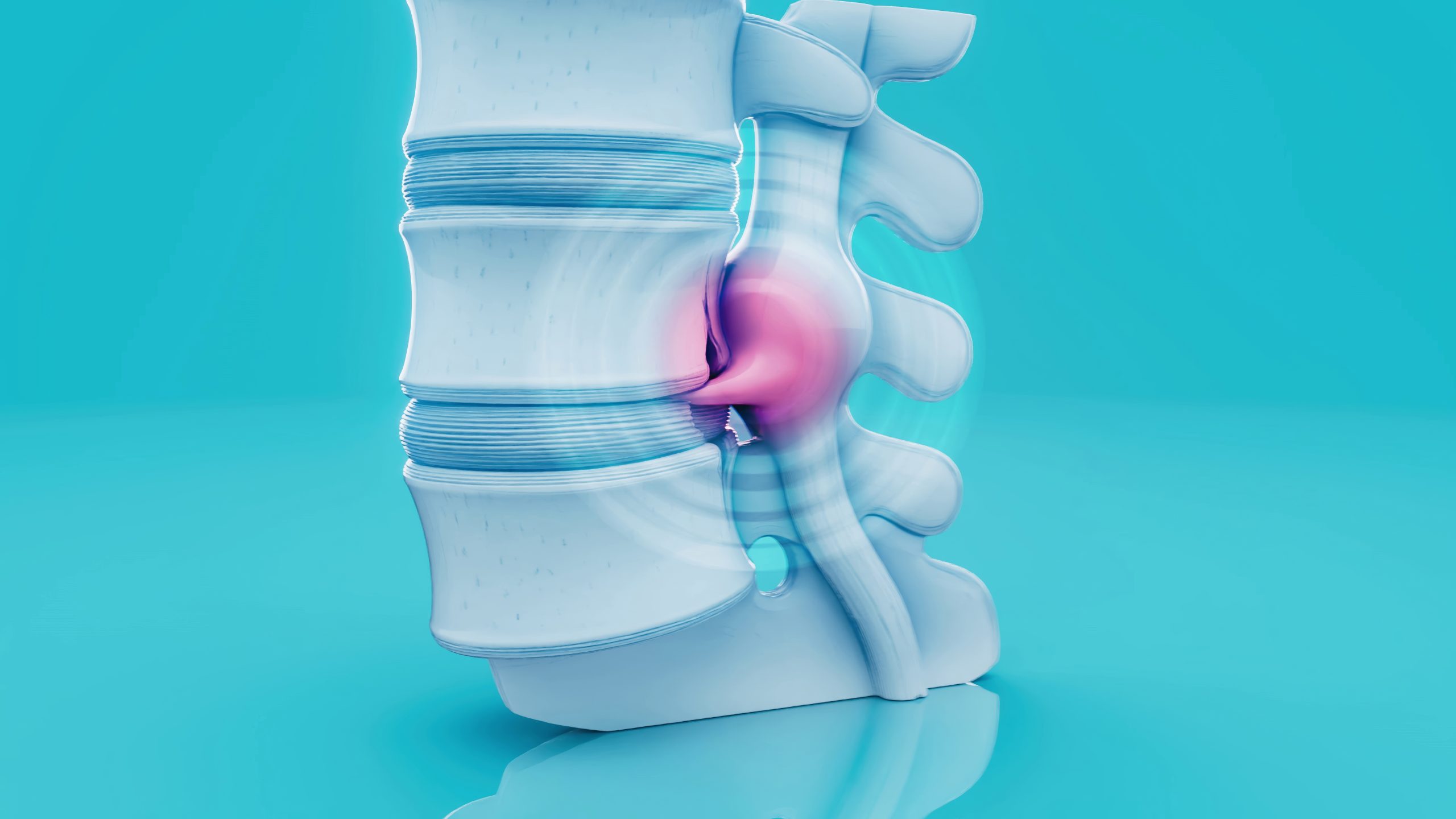
Degenerative disc disease (DDD) describes the gradual wear and dehydration of the intervertebral discs that cushion the bones of the spine. As these discs lose height and flexibility over time, they can no longer absorb shock as effectively, which may lead to pain, stiffness, and reduced mobility in the back or neck.
Despite the name, DDD is not technically a disease — it is a natural part of ageing that affects most people to some degree. In the UK, disc-related back pain remains one of the most common reasons for GP consultations and reduced work productivity, though most cases can be managed effectively without surgery.
What Causes It?
The discs between vertebrae are made up of a tough outer layer and a soft, gel-like centre. With age, repetitive strain, previous injury, or genetic predisposition, this structure can weaken — the outer layer may develop small tears, and the disc itself can lose water content and height. This process can lead to:
Reduced cushioning between vertebrae
Increased pressure on nearby nerves
Instability or minor shifting of the spinal segment
Secondary conditions such as spinal stenosis / herniated discs
Common Symptoms
Not everyone with disc degeneration experiences symptoms. When they do occur, they typically include:
Persistent low back or neck pain that varies in intensity
Pain that worsens with sitting, bending, or lifting
Pain that improves with movement or changing position
Occasional numbness, tingling, or weakness if a nerve is affected
Management Approach
In line with NICE guidance (NG59) for low back pain and sciatica, management is stepwise, starting with the least invasive options and progressing only where needed:
a. Physiotherapy and activity modification
b. Medication for pain and inflammation
c. Medial branch block or facet joint injection where appropriate
d. Radiofrequency denervation for suitable candidates
e. Neuromodulation (NICE TAG 159), considered in select cases where conservative treatment has not provided adequate relief
Surgical intervention is reserved for patients with significant neurological deficit or functional impairment that hasn’t responded to conservative care.
When Should You See a Pain Specialist?
If your back or neck pain has continued for several weeks despite rest and conservative care, or if it’s starting to limit your daily activities, a specialist assessment can help identify whether disc degeneration is contributing to your symptoms — and whether targeted treatment could help.
Your GP can arrange a named consultant referral if advanced treatment options such as neuromodulation are not available in your local area.
A Personalised Approach
Every patient’s spine tells a different story. I assess the specific level and extent of disc changes, how long symptoms have been present, and what has already been tried, before agreeing on next steps together.
Book Your Consultation
If disc degeneration is affecting your daily life, Dr Kavita Poply can assess your condition and discuss which treatment approach is right for you — from conservative care through to advanced pain interventions.
Frequently Asked Questions
Q1. Does degenerative disc disease always require surgery?
Ans. No. Most patients are managed successfully without surgery, through physiotherapy, activity adjustments, and pain-focused interventions.
Q2. Will disc degeneration keep getting worse?
Ans. Degeneration is a gradual, ongoing process, but the rate and severity vary significantly between individuals. Many people’s symptoms plateau or improve with appropriate management.
Q3. Can an MRI confirm degenerative disc disease as the cause of my pain?
Ans. MRI can show disc changes, but these findings are common with age and don’t always correlate directly with symptoms. Clinical assessment remains important when interpreting imaging findings.
Q4. What treatments are available if physiotherapy doesn’t help?
Ans. Options may include targeted injections (such as epidurals or facet joint injections), radiofrequency treatment, or — in carefully selected cases — neuromodulation therapies.