
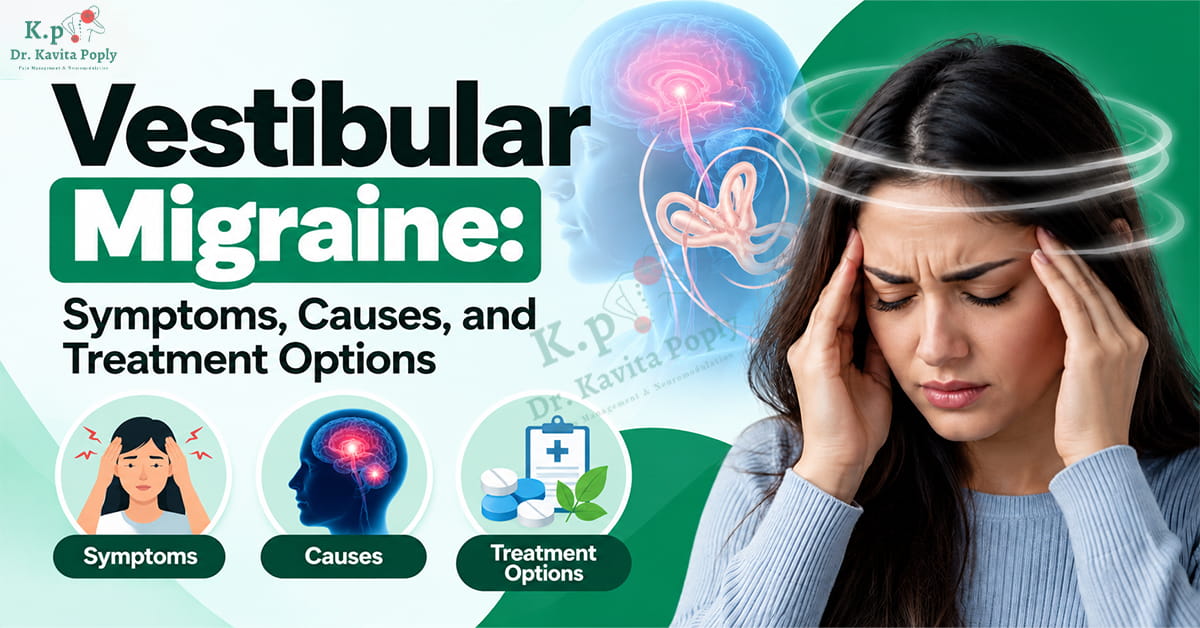
Facing symptoms like spinning sensation, difficulty in balancing and dizziness can affect our daily life to a large extent. These symptoms may be related to the inner-ear issues or may indicate a condition known as vestibular migraine. This type of migraine is different from others and mainly affects balance and spatial orientation. Some may experience vertigo or dizziness, without a headache.
This migraine may affect people whether they have a history of conventional migraine headaches or not. Although this type of migraine is considered disruptive, diagnosing it can be challenging. Therefore, you should choose the best medical professional who can help you in understanding and managing this condition.
What Is Vestibular Migraine?
Vestibular migraine is a neurological condition which includes symptoms that affect the system which help in controlling balance and movement perception. Patients vestibular suffering from this condition may experience a feeling of spinning or moving and vertigo. The episodes may last from a few minutes to several hours and in some cases, it may be up to 72 hours.
Unlike other migraine types, vestibular migraine doesn’t cause always lead to headache. The patients may experience sensitivity to light or sound, nausea, imbalance or visual disturbance. This type of migraines may be caused due to history of migraines, which may include chronic migraine with or without aura. The diagnosis requires careful assessment because there are many neurological and inner-ear disorders which may lead to similar symptoms.
Vestibular Migraine Symptoms
Vestibular migraine symptoms may vary from person to person and may change between episodes. The common symptoms of this type of migraine are as follows.
- Vertigo: It is a spinning sensation or having a sensation that the surroundings are moving.
- Dizziness and imbalance: It means that the patient has difficulty in walking properly and maintaining balance.
- Nausea and vomiting: These happen when the person is going through severe dizziness.
- Sensitivity to light and sound: Patients with vestibular migraine may have problem with bright lights and loud noises.
- Headache: There are some episodes which may include a migraine-type headache.
- Visual disturbances: Some individuals may experience visual aura, or blurred vision.
- Motion sensitivity: Patients may be affected by scrolling a screen, moving through crowd, or while travelling in a vehicle.
Vestibular Migraine Causes
We cannot say that there are many vestibular migraine causes as the exact reason still remain unknown. It is understood that it involves changes in the working of brain.
- Genetic predisposition: This disease may be genetic as it runs in families.
- Neurological sensitivity: There are people who experience that their nervous system responds strongly to certain sensory stimuli.
- Sensory processing: Our brain receives information from eyes, ears and entire body to maintain balance. Any changes in the receiving of symbols may lead to dizziness and vertigo.
- Hormonal changes: Hormonal changes especially fluctuation in the oestrogen may lead to migraine patterns.
You Can Also Read: Knee Ligament Injury: Causes, Symptoms, Treatment and Recovery
Common Vestibular Migraine Triggers
The vestibular migraine triggers are not necessarily due to the underlying condition but may lead to episodes of it. The common triggers include.
- Sleep disturbances: Irregular sleep, changes in the sleep schedule, and irregular sleeping hours may trigger it.
- Stress: Stress, anxiety, or emotional stress may lead to changes in the working of our brain triggering migraine.
- Dietary factors: Improper diet intake, dehydration, excessive caffeine, or alcoholic beverages may lead to migraine.
- Hormonal fluctuations: Menstruation and other hormonal changes may lead to vestibular migraine.
- Sensory stimulation: Bright lights, loud environment and screen exposure may cause it.
- Travel and motion: Journeys in which travelling is involved leading to consistent head movements.
- Weather changes: There are people who go through the diaries; there are some individuals report symptoms associated with changes in weather or atmospheric pressure.
How Is Vestibular Migraine Diagnosed?
Vestibular migraine diagnosis is done on the basis of symptoms, medical history and clinical examination. There is no single test which can help in understanding diagnosing it. The doctor may ask regarding the duration, headaches, dizziness, sensitivity to light, and the frequency of episodes.
The most common criteria which has been internationally recognized include having at least five episodes which may last for five minutes to 72 hours, history or migraine and checking the symptoms that have occurred in the last few episodes. On the basis of these, neurological examination, hearing tests, balance test and imaging are suggested.
Vestibular Migraine Treatment Options
Vestibular migraine treatment includes relieving the symptoms and frequency and severity of episodes to improve everyday living. The selection of treatment depends on the symptom patterns, and medical history. The common treatments for this type of migraine are:
- Acute treatment: Appropriate treatment is given for migraine, nausea or vertigo. These medicines are selected according to the condition of the patients.
- Preventive medication: If there are frequent episodes then medicine may be given to prevent it. These include blood-pressure medicines, anti-depressants, and anti-seizure medicines.
- Vestibular rehabilitation: There are specialised exercises which can help people with balancing and motion sensitivity. A trained vestibular physiotherapist can help in providing customized treatment to the patients.
- Managing associated conditions: Working on anxiety, sleep issues and other factors triggering it can be controlled to provide overall relief.
You Can Also Read: Cold Plunge: Benefits, Risks, and How to Get Started
Lifestyle Changes for Managing Vestibular Migraine
Certain lifestyle changes can help in managing symptoms and episodes of vestibular migraine.
- Maintain regular sleep: It is necessary to get required sleep as it helps in giving rest and rejuvenating our brain. There must be a fixed bedtime and waking time to sleep well.
- Eat regularly: A regular healthy diet is necessary to keep the brain active and healthy.
- Stay hydrated: You should drink at least 8 glasses of water daily as it helps in controlling headache.
- Manage visual sensitivity: Avoid excess screen time and take regular breaks.
- Exercise appropriately: Regular exercise is necessary as it helps in living a healthy life.
- Manage stress: This can be done by practicing meditation, breathing techniques and living mindfully.
- Check triggers: By monitoring the symptoms, sleep, meals, and menstrual patterns, you can understand what is causing it and work accordingly.
When to See a Vestibular Migraine Specialist
If you have experienced the vestibular migraine symptoms and episodes then you should immediately consult a certified doctor who can help in treating it. Fainting, chest pain and severe headache may require immediate medical attention.
Conclusion
Vestibular migraine is a neurological condition that can be treated through medicines, physiotherapy and lifestyle changes. You should always consult the best neurologist who can help in managing the symptoms and avoiding triggers. Dr. Kavita Poply is a pain medicine and neuromodulation consultant in London who has been helping patients by providing appropriate therapy and treatment.
To consult, get an appointment now.
Frequently Asked Questions (FAQs)
Q.1 What are the main symptoms of vestibular migraine?
Ans. The main symptoms of vestibular migraine include headaches, dizziness, nausea, imbalance, vertigo and motion, sound, and light sensitivity.
Q.2 What causes vestibular migraine?
Ans. The exact cause behind vestibular migraine is not fully understood. It is believed that it happens due to changes in the neurological processing of balance and sensory information, migraine history or hormonal fluctuations.
Q.3 What are the common vestibular migraine triggers?
Ans. The common triggers of vestibular migraine include stress, dehydration, poor sleep, hormonal changes, skipped meals, screen exposure, bright light, or excessive caffeine.
Q.4 How is vestibular migraine diagnosed?
Ans. It is diagnosed on the basis of symptoms, migraine history, and regular episodes.
Q.5 What treatment options are available for vestibular migraine?
Ans. Treatment may include medicines, preventive medication, vestibular rehabilitation and lifestyle changes which includes getting proper hydration, meals, sleep, exercise, and stress management.