Introduction to Elbow Pain
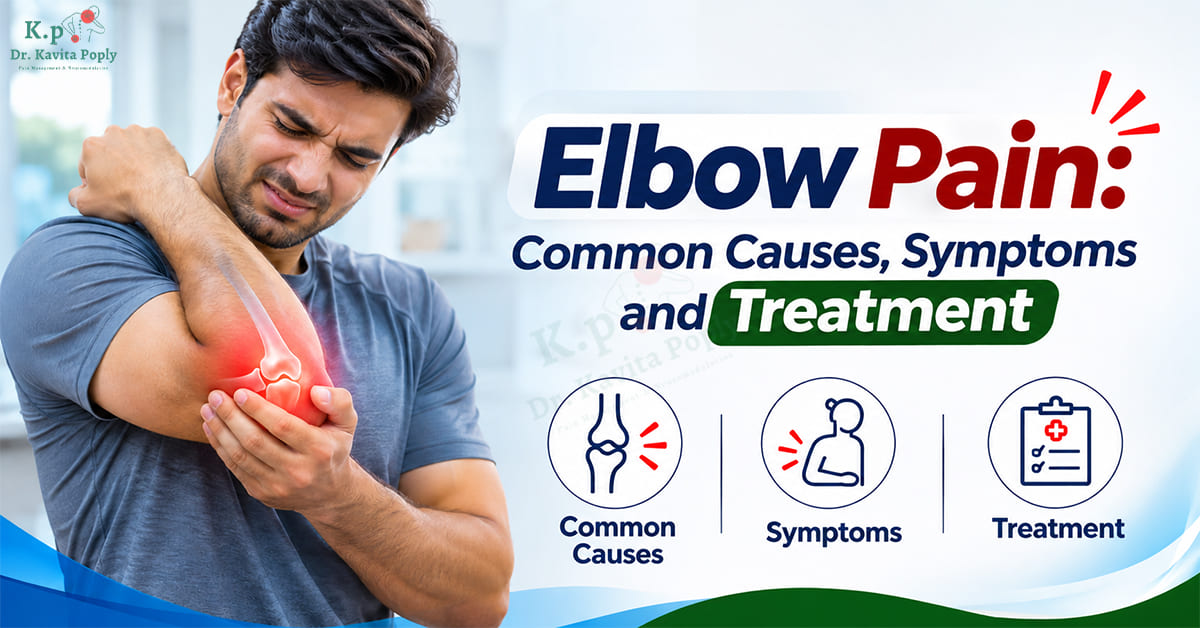
Elbow pain is a common problem which is found in people of all ages. It is likely to develop due to repetitive movements or due to injury. The level of pain may range from a mild discomfort that makes the everyday activities tough to severe pain that limits arm movement.
The pain that occurs in elbows is likely to affect the daily routine because it plays an important role in arm movement. Any action leading to irritation or injury in the surrounding muscles, joints, tendons or ligaments can lead to pain making even the simple activities tough. Although, the pain is likely to resolve with rest, persistent pain requires medical check-up.
What Is Elbow Pain?
Elbow pain refers to any discomfort or tenderness in the elbow joint. It connects the upper arm bone humerus with the two forearm bones named radius and ulna. It also contains tendons, ligaments, nerves, muscles, ligaments, cartilage and fluid-filled sacs known as bursae. All of these together help in keeping the joint stable and normal movement of the elbow and hand.
Elbow pain may occur in any side of the elbow; the location pattern helps in understanding the underlying issue. While some may experience pain while lifting an object, others may feel swelling, or stiffness.
Common Causes of Elbow Pain
There are many elbow pain causes, the common ones are as follows.
1. Tennis Elbow (Lateral Epicondylitis)
When the tendons connected to the outer side of the elbow get irritated due to persistent gripping or movements, it may lead to a tennis elbow. This can happen to anyone and is not limited to people playing tennis. The pain caused in this situation gets worse when by shaking hands or lifting objects.
2. Golfer’s Elbow (Medial Epicondylitis)
When the tendons on the inner side of the elbow are irritated, it can lead to a Golfer’s elbow. This is caused by repetitive wrist movements like bending, gripping or forearm movements. The symptoms of this condition are tenderness, discomfort, and pain.
3. Elbow Injuries and Fractures
These can be caused while playing sports, falling and due to an accident. The injuries include fractures, dislocations, and sprains. The patient is likely to experience sudden pain, or difficulty in moving the arm. In case of fracture or dislocation, immediate medical help in required.
4. Bursitis
Olecranon bursitis is likely to develop when the fluid-filled sacs at the back of the elbow get inflamed. This can happen due to repeated pressure, or infection that might have occurred. The most common symptom of this condition is swelling and a feeling of tenderness and warmth.
5. Arthritis
Osteoarthritis can lead to joint pain, stiffness, reduction in the movement due to wearing down of the cartilage. Certain conditions like rheumatoid arthritis affect the elbow and lead to swelling and stiffness in the morning.
6. Nerve Compression
Cubital tunnel syndrome caused due to the compression of the ulnar nerves near the elbow may lead to tingling or numbness in the little finger or part of ring finger. Some people may also experience weakness in hands and problem in gripping objects.
You Can Also Read: Vestibular Migraine: Symptoms, Causes, and Treatment Options
Elbow Pain Symptoms
The elbow pain symptoms depend on the underlying cause and severity of the condition that the person is facing. The common signs are pain, tenderness, swelling, redness, bruising, stiffness, and difficulty in movement. The patients may feel weakness in the forearm, wrist or hand and get a tingling sensation or numbness in the fingers. Some people may also get a warm feeling at the back of the elbow.
How Is Elbow Pain Diagnosed?
Physical check-up an examining the symptoms helps in elbow pain diagnosis. The doctor may ask certain question related to the pain, injury, history and the problems you are facing in the doing daily activities. If required, the doctor may require certain tests to be done which are as follows.
- X-rays: This helps in checking the current status and identifying any dislocations, fracturs, or abonormalities.
- Ultrasound: An ultrasound helps in assessing the soft tissues, tendons, and fluid collected near the joint.
- MRI: It helps in getting the detailed images of the ligaments, tendons, cartilage and the soft tissues of the elbows.
- Blood tests: These help in finding any inflammation or infection that might be causing it.
- Nerve tests: Suggest occasionally, these assist in evaluating the reason behind tingling, weakness, or numbness.
Elbow Pain Treatment Options
Elbow pain treatment is provided according to the condition of the patient and the level of pain he is facing. While mild tendon-related issues can be cured with conservative treatment, fractures, infections and ligament injuries may require special treatment.
- Doctors may advise reducing the activities leading to pain can help in recovery of the irritated tissues.
- The patients can try using an ice pack for 15-20 minutes to relieve pain and swelling that occurred after the injury. Some patients may also try giving heat to the affected area to help with stiffness.
- A healthcare specialist may suggest certain pain-relieving or anti-inflammatory medicines required as per the condition of the patient.
- Physiotherapy can help in improving mobility, strength, and functioning of the joint. A customized plan helps patients through exercises.
- Braces or forearm strap may be provided to support the forearm and reduce the discomfort.
- In selected cases, the doctor might suggest injection or surgery as per the condition of the patient.
For pain that doesn’t settle, a pain specialist may also suggest radiofrequency treatment.
You Can Also Read: Knee Ligament Injury: Causes, Symptoms, Treatment and Recovery
How to Manage Elbow Pain at Home
Home care can help in relieving mild elbow pain and help with the recovery. You can follow the steps mentioned below.
- Avoid lifting, gripping or doing persistent movements.
- Try an ice pack for 15-20 minutes where the pain or swelling occurs.
- You can keep doing simple activities or light movement unless doctor has advised you not to.
- Adjust the workstation so that it doesn’t put pressure on the affected area.
- If the symptoms improve, you can start doing slight exercises.
When to See an Elbow Pain Specialist
You should immediately consult an orthopaedic doctor or a qualified healthcare professional if you experience persistent pain in the elbow which has made doing everyday activities difficult. The doctor can help with the pain, irritation, or stiffness caused to the elbow. If the patients suspect fracture, has severe injury pain, or ligament injuries hen he should get a medical assessment done.
Conclusion
Elbow pain can occur due to tendon inflammation, injuries, or nerve compression. The treatment is provided for the pain on the basis of the underlying cause. While mild pain can be cured at home through care and remedies, severe pain, injuries and fractures require immediate medical help from an experienced doctor.
Dr Kavita Poply is an elbow pain specialist in London who has achieved clinical excellence in providing customized services to the patient. If you are facing any elbow pain or symptoms related to it, book an appointment now.
Frequently Asked Questions (FAQs)
Q.1 What are the most common causes of elbow pain?
Ans. The common elbow pain causes include arthritis, nerve compression, injuries, tennis elbow, golfer’s elbow and bursitis. Doing continuous lifting, gripping, and wrist movement can also irritate the tendons around the elbow.
Q.2 What are the symptoms of elbow pain?
Ans. Elbow pain symptoms are swelling, stiffness, bruising, weakness, problem in movement. The patient may also have issues in gripping the objects, numbness or tingling in the little finger or ring finger.
Q.3 How is elbow pain diagnosed?
Ans. The elbow pain is diagnosed on the basis of symptoms, medical history and by checking the condition of the patient through movement. The doctor may suggest certain tests like x-rays, MRI, ultrasound or blood test to be sure of the reason behind the pain.
Q.4 What treatment options are available for elbow pain?
Ans. Elbow pain treatment includes rest, ice therapy, heat therapy, pain killers, physiotherapy, braces and supports. The treatment is provided according to the condition of the patient.
Q.5 When should I see a specialist for elbow pain?
Ans. If you have an injury, severe pain, ligament injury or fracture, persistent issues related to elbow, and problem in doing daily activities then you should consult the specialist immediately.